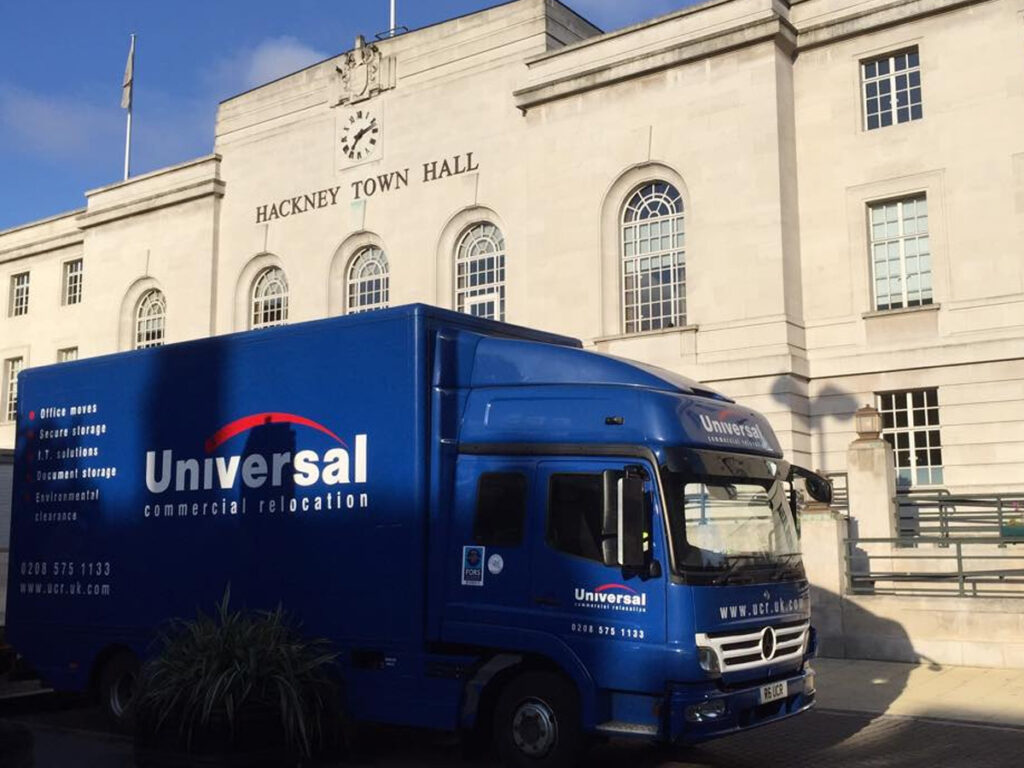
Universal delivers office removals across the City of London and every EC postcode, from the towers around Bishopsgate and Broadgate to the legal quarter near Chancery Lane and the insurance district by Leadenhall. The Square Mile is the most demanding place in the country to move an office. Access is tightly controlled, loading windows are short, goods lifts are booked to the minute, and building management sign off every detail before a single crate moves. We plan City relocations around those constraints from the first survey, and we run the work out of hours where that is the only way to move a live business cleanly.
What makes a City of London move different
Moving an office in the City is a planning job before it is a lifting job. The realities that shape every EC move are:
- Loading bay booking windows: most City buildings share a loading bay or dock that is booked in advance in fixed slots, often measured in the tens of minutes. Vehicles are sequenced to the slot so nothing waits on a double yellow or blocks the bay.
- Out-of-hours and weekend-only access: many buildings only permit moves in the evening, overnight or at weekends, to keep the working day clear. We plan the whole move around the access the building allows, not the other way round.
- Goods lift capacity and booking: a single goods lift is often shared with other tenants and booked to a window. We size the crates and the crew to the lift and sequence the move so the lift is never the bottleneck.
- Building management approvals: method statements, risk assessments and insurance certificates are submitted and approved before the date. We prepare the paperwork each building requires so approvals are in place well ahead of the move.
- Security and site clearance: City buildings control who is on site. We provide uniformed crews and complete the building's security, induction and access requirements so the team is cleared to work before they arrive.
- Phased, floor-by-floor moves: large occupiers are moved a floor or a department at a time so the business keeps trading throughout, with each phase planned to its own access window.
The EC postcodes we cover
We cover the whole of the City and its EC postcodes, including:
- Clerkenwell, Farringdon and the Barbican (EC1): the mix of converted period buildings and modern offices to the north west.
- Moorgate, Liverpool Street and Broadgate (EC2): the banking and finance core around the Broadgate towers.
- Aldgate, Fenchurch Street and Leadenhall (EC3): the insurance district around Lloyd's and the eastern City towers.
- Fleet Street, Blackfriars and St Paul's (EC4): the legal quarter and the offices toward the river.
If your office is in any EC postcode, we cover it. See our full London coverage, and our wider Central London office removals.
The City's building stock
The Square Mile packs an enormous range of buildings into one square mile, from landmark towers with modern goods lifts and managed loading docks to narrow period buildings on medieval street patterns with a single small lift and on-street loading only. Between them sit the trading floors, dealing rooms and server rooms that cannot simply be switched off. We survey each building first and plan the move to what it actually is, rather than to the postcode, so the crew, the vehicles and the timing match the real access on the day.

Out-of-hours moves that keep you trading
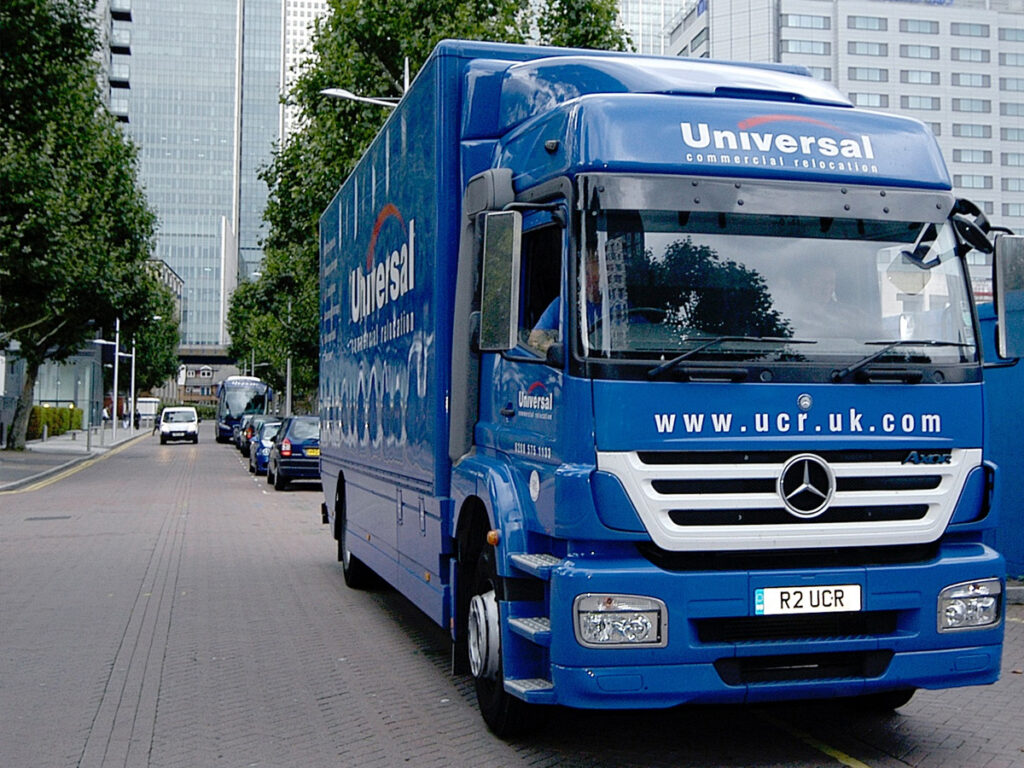
For most City occupiers, downtime is the real cost of a move, not the move itself. Running the relocation in the evening, overnight or across a weekend means the old office is cleared and the new one is set up while the business is closed, so your team leaves one office on Friday and sits down in the new one on Monday. Evening, overnight and weekend moves are standard for us, and in the City they are often the only way to work within the building's loading and lift restrictions.




IT, dealing floors and continuity
A City move stands or falls on the technology being live when people arrive. We audit, tag, move, reconnect and test IT to a cutover plan, so the network, the phones and the trading or dealing technology are working before the first person sits down. Where a server room or comms room is involved, it is planned as its own phase with its own window. You can read more about our IT relocation service, which runs alongside the office move.

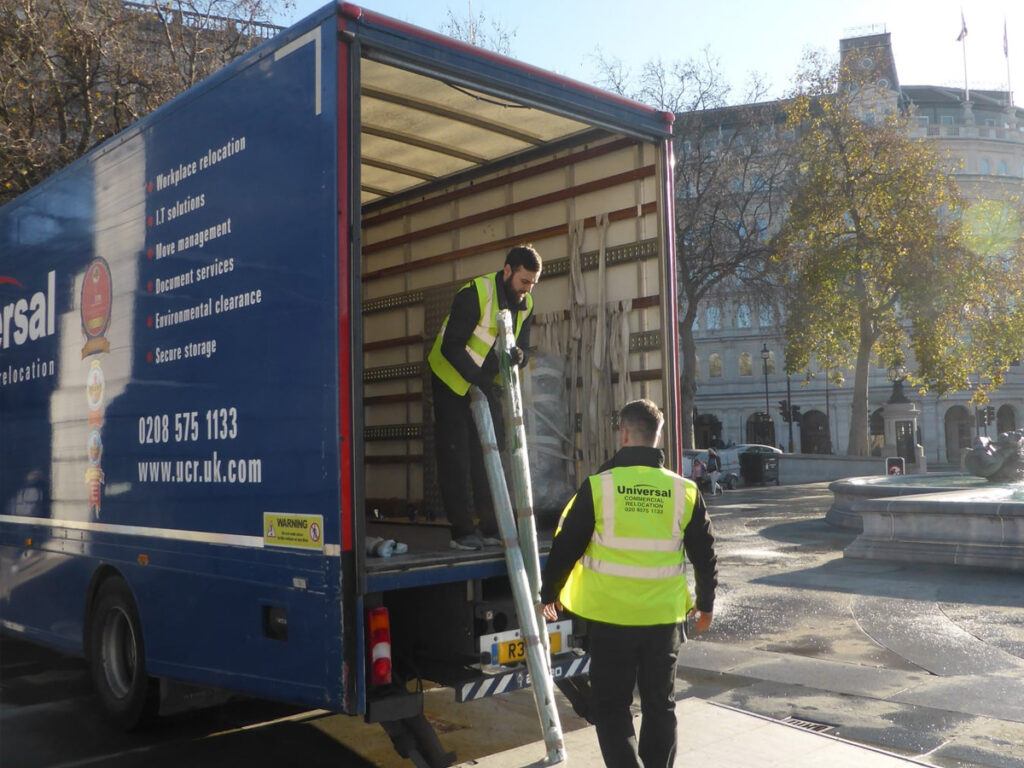
City moves we have delivered
We have carried out major relocations in the City, including for Mizuho Corporate Bank and the international law firm Linklaters. A bank move brings dealing-room technology, strict security and zero tolerance for downtime; a major law firm move brings large volumes of confidential files and archives that have to be tracked and handled to a chain of custody. We have delivered both in the Square Mile, to the same planning and accountability we bring to every move. You can see these and more on our case studies and clients page.
Why Universal for a City of London office move
We are a commercial relocation specialist, not a general remover, and we have moved London businesses since 1978. We are ISO 9001 and ISO 14001 certified, CHAS and SafeContractor accredited, members of the British Association of Removers and a multiple BAR Commercial Mover of the Year winner. For a City move that means the method statements, the insurance and the standards the building management will ask for are already in place, and the move is project-managed from the survey to the final connected desk.

Office removals in the City of London: frequently asked questions
To plan an office removal anywhere in the City of London or the EC postcodes, request a survey and a fixed quote through our office relocation service, or get a quote here.